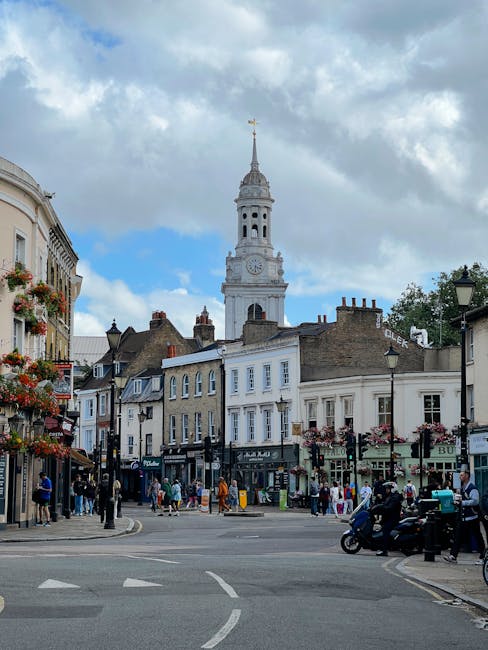
Blackheath Moving Guide: Greenwich Removals and Access Tips
Moving in and around Blackheath can look straightforward on a map, then quickly become a bit more complicated once you meet narrow residential streets, timed parking, basement flats, and the usual London moving-day surprises. This Blackheath moving guide Greenwich removals and access tips is designed to help you plan properly, avoid access headaches, and make your move feel far less chaotic. Whether you are moving from a maisonette near the heath, a flat off the main roads, or a family home with tight front access, the details matter. They really do.
In the sections below, you will find practical guidance on access checks, packing, timing, van selection, and the little things people often forget until the removal team is already outside. There is also a checklist, a comparison table, and a few realistic examples from the kind of situations people run into every week in South East London. Let's get into it.
- Why Blackheath moving guide Greenwich removals and access tips matters
- How Blackheath moving guide Greenwich removals and access tips works
- Key benefits and practical advantages
- Who this is for and when it makes sense
- Step-by-step guidance
- Expert tips for better results
- Common mistakes to avoid
- Tools, resources and recommendations
- Law, compliance, standards, or best practice
- Options, methods, or comparison table
- Case study or real-world example
- Practical checklist
- Conclusion
- Frequently asked questions
Why Blackheath moving guide Greenwich removals and access tips Matters
Blackheath has its own rhythm. Streets can be elegant and roomy in one stretch, then suddenly tighter than you expected around the corner. If you are moving with a removals team in Greenwich, access planning is not a side detail; it is the difference between a calm job and a frustrating one. In our experience, the moves that go smoothly are usually the ones where someone has already thought through parking, stairwells, lift access, permits, and the route from the front door to the van.
This matters for all sorts of reasons. A removal vehicle that cannot park close enough may need longer carrying distances. A flat with no lift can add time and fatigue. A narrow stairwell can mean certain items need extra protection or an alternative lifting plan. And if you are moving on a busy day, there is always the chance that a small delay snowballs into a bigger one. London has a way of doing that.
For local moves, the practical goal is simple: reduce avoidable friction. That means checking access before moving day, matching the vehicle to the property, and being realistic about what the team can load safely. If you are moving home, home moves and house removals services are especially useful when you want the right balance of speed, handling, and planning. For smaller jobs, a man and van or man with van arrangement can make sense, provided the access is workable.
How Blackheath moving guide Greenwich removals and access tips Works
The process is not complicated, but it does need a bit of method. Most local removals in Blackheath and wider Greenwich work best when you treat access as a mini project rather than an afterthought. Think of it as mapping the move, then removing the surprises one by one.
First, you identify the property type. Is it a terraced house, a top-floor flat, a converted building, or an office with service access? Then you check the practical route in and out: door widths, stairs, lifts, kerbs, corners, parking distance, and whether anything oversized will need disassembly. After that, you match the vehicle and crew to the job. A compact van may be perfect for a small flat; a larger vehicle or a moving truck is better when there is bulky furniture or a full household load.
A sensible removals plan also includes packaging. Items packed into sturdy boxes, with awkward pieces wrapped and labelled, move faster and safer. If you want to take the pressure off the day itself, packing and boxes and packing and unpacking services can save a surprising amount of time. Not glamorous, but very useful.
Finally, the move is timed around access conditions. Some streets are easier early in the morning; some are calmer after school traffic has cleared; some buildings have loading restrictions or limited stopping room. Getting the timing right is often half the battle.
Key Benefits and Practical Advantages
A well-planned local move brings more than convenience. It reduces damage risk, cuts stress, and can even save money because the team is not spending extra time solving problems on the spot. There is a reason experienced movers ask a lot of questions before the day. They are not being nosy; they are trying to prevent issues before they start.
- Less risk of damage: proper access planning means fewer tight corners, fewer awkward lifts, and less chance of scrapes or knocks.
- More accurate scheduling: the job is easier to time when you know how far the van must park from the door.
- Better vehicle choice: not every move needs a large truck, and not every job should be done with a tiny van.
- Reduced stress on moving day: if the access plan is clear, everyone can focus on the load rather than improvising.
- More efficient labour: fewer back-and-forth trips, fewer delays, and cleaner handovers at both addresses.
There is also a less obvious benefit: better communication with neighbours and building managers. When you know what is coming, you can warn people in advance, which avoids a lot of awkwardness. Nobody likes trying to squeeze a wardrobe through a hallway while someone is politely but firmly asking when the lift will be free.
For larger or more structured moves, removal services and removals support can be a good fit. If you are comparing providers, it is also worth reading about removal companies so you can judge service depth, not just price tags.
Who This Is For and When It Makes Sense
This guide is for anyone moving between Blackheath, Greenwich, and nearby South East London streets where access matters. That includes people moving from flats, family homes, rented rooms, and short-term lets, as well as small businesses shifting equipment or stock. Truth be told, if your move involves more than a couple of bags and a single lift trip, access tips will help.
It is especially relevant if you are:
- moving from a top-floor flat without a lift
- living on a road where parking is tight or controlled
- transporting fragile, heavy, or awkward items
- using a smaller removals setup and need to know whether it will fit your property
- planning a same-day or time-sensitive move
- moving student belongings, furniture, or mixed household loads
Students and renters often benefit from flexible help such as student removals, while business owners may need something closer to commercial moves or office removals. If your move includes a single bulky item, such as a piano or a wardrobe that will not cooperate, specialist handling can be useful too. Pianos, for example, are not the sort of thing you want to wing on the stairs.
Step-by-Step Guidance
Here is a practical way to handle a move in Blackheath or Greenwich without overcomplicating it.
- Survey both addresses. Walk the route from front door to vehicle space. Check stairs, entry points, low ceilings, turns, and anything that might block movement.
- Measure the awkward items. Sofas, beds, wardrobes, mirrors, desks, and appliances are the usual suspects. Measure them properly, not roughly.
- Confirm parking and loading. Find out where a van can stop and how long it can stay there. If you have residents' parking or a controlled zone, plan early.
- Choose the right vehicle. A compact removal van may suit a small flat, while a larger load might need removal truck hire or a bigger vehicle setup.
- Pack by room and priority. Label boxes clearly, keep essentials separate, and use sturdy packing materials for breakables.
- Prepare the building. If there is a lift, book it where possible. If you have neighbours close by, give them a heads-up. That small courtesy goes a long way.
- Protect the route. Floor runners, door protection, and wraps for furniture help avoid scuffs in hallways and landings.
- Keep essentials accessible. Keys, documents, chargers, tea bags, medications, and basic toiletries should not disappear into a random box. You will thank yourself later.
If you are moving a flat specifically, there are usually extra constraints around stairs, shared entries, and limited parking. That is why flat removals can be a smart option when you need a team used to compact access and multi-storey properties.
A small but useful habit: take photos of tight spots before moving day. Door frames, stair bends, and parking bays can look different once the van arrives and everyone is tired. A photo on your phone can settle a disagreement in seconds. Handy, that.
Expert Tips for Better Results
After enough local moves, a few patterns become obvious. The jobs that run well usually have the same ingredients: decent preparation, realistic expectations, and a bit of flexibility. Here are the practical tips that make the biggest difference.
1. Treat access like part of the inventory
It is not just about what you own; it is about how those items leave the property. A piano, for instance, is not merely heavy. It is awkward, sensitive, and often hard to rotate in a narrow space. If you have specialist items, speak early about piano removals or other specialist handling.
2. Assume the van will be slightly less convenient than you want
That sounds cynical, but it is useful. If the van cannot stop directly outside, have a Plan B. Can it pause around the corner? Is the carry distance still manageable? Is there a lift? Small questions, big impact.
3. Keep a buffer in your timetable
One late lift booking, one blocked bay, or one awkward sofa leg can steal half an hour faster than you expect. A buffer makes the whole day less tense. Not perfect, just calmer.
4. Think about temporary storage if timing is messy
Sometimes completion times, cleaning, or lease handovers do not line up neatly. In those cases, storage can bridge the gap and prevent a rushed, expensive scramble.
5. Be clear about load type
A job with mainly boxes is very different from one filled with oversized furniture, office equipment, or mixed household items. If you are unsure, ask for a quote based on the actual contents rather than guessing. That is where pricing and quotes guidance can help you compare like with like.
One more thing: if a move feels awkward on paper, it probably will be awkward on the day unless you plan around it. Better to be slightly over-prepared than endlessly apologetic while carrying a mattress across a wet pavement in the dark. Been there, not fun.
Common Mistakes to Avoid
Most moving problems are preventable. The challenge is that people often only spot them too late, usually when the van is already waiting and the hallway suddenly looks smaller than memory suggested.
- Not checking parking restrictions: this can lead to delays, extra carrying distance, or a rushed load.
- Underestimating stair difficulty: stairs eat time and energy, especially with heavy items.
- Packing weak boxes: a box that gives way mid-carry is more than annoying; it is risky.
- Forgetting to dismantle furniture: some wardrobes and bed frames simply will not fit through the route intact.
- Assuming the smallest vehicle will do: saving a little on the vehicle can cost more in time and handling.
- Leaving decluttering too late: moving things you no longer want wastes space and effort.
A lot of people also forget to tell the mover about things that seem small but matter a lot, like a broken lift, a shared entrance code, or a sharp turn halfway up the stairs. These details are not minor. They are the job.
If you are also getting rid of old pieces, it may help to arrange furniture removals or furniture pick up rather than leaving unwanted items until the last minute. Better to keep the moving load clean and manageable.
Tools, Resources and Recommendations
You do not need a truckload of gadgets to move well. But a few simple tools can make the whole process smoother.
- Tape measure: for door frames, furniture width, stair landings, and vehicle access gaps.
- Phone camera: useful for capturing tight entrances, parking signs, and unusual routes.
- Marker pens and labels: keep boxes readable at a glance.
- Furniture blankets and wrap: ideal for protecting surfaces during transit.
- Box cutter and basic tool kit: handy for dismantling beds, tables, and shelving.
- Zip bags for screws and fittings: small, simple, easily lost if you are not careful.
For support with the physical side of the move, many people look at removal services or specific help such as packing and unpacking services. If you are balancing speed with a smaller budget, a man with a van setup can be a practical fit, provided the access is straightforward and the volume is sensible.
For businesses, office relocation services can help reduce downtime and keep equipment organised. For companies moving at pace, that is often the real win, not just the transport itself.
Law, Compliance, Standards, or Best Practice
Moving home is not heavily regulated in the way some industries are, but there are still sensible standards and duties worth respecting. For example, vehicle loading should be done safely, access routes should not block emergency exits, and anyone handling heavy items should do so in a way that reduces the risk of injury. That might sound obvious, but in the rush of a moving day, obvious things are the first to go.
Good practice also means clear communication about liability, insurance cover, and what the removal provider will and will not do. A trustworthy company should be transparent about its approach to safety and security. If you want to review those details, pages such as insurance and safety, health and safety policy, and terms and conditions are the sort of documents you should check before booking.
If you are sharing a building, follow any rules about loading bays, lift bookings, and communal areas. And if you are in doubt, ask before assuming. That simple habit keeps the move smoother and avoids friction with neighbours or building management.
There is also a sustainability angle. Many people now prefer to reduce waste where possible, re-use packing materials, and dispose of unwanted items responsibly. If that matters to you, recycling and sustainability information can help you think through the environmental side of the move in a practical way.
Options, Methods, or Comparison Table
Choosing the right approach depends on access, volume, timing, and budget. Below is a simple comparison that helps narrow it down.
| Option | Best for | Strengths | Watch-outs |
|---|---|---|---|
| Man and van | Small moves, single rooms, light furniture | Flexible, often cost-effective, easy to book | Can be limited for larger loads or awkward access |
| Removal van | Flat moves and moderate household loads | Good balance of size and manoeuvrability | Still needs careful parking and loading access |
| Moving truck | Full-house or bulky moves | Higher capacity, fewer trips | Harder to park in tighter Blackheath streets |
| Full removals team | Complex, time-sensitive, or high-value moves | More help with lifting, packing, and coordination | Usually best when the budget allows for extra support |
There is no single "best" option. That is the honest answer. A small flat with limited contents might be ideal for man with van support, while a family home with stairs, large wardrobes, and a piano may be better suited to a fuller removal setup. The access shape the decision more than the postcode does.
Case Study or Real-World Example
Picture a typical move: a second-floor flat in Blackheath, no lift, a narrow internal staircase, and a parking space that sits just far enough away to be mildly irritating. The property has a sofa, a bed, a washing machine, two bookcases, and around twenty boxes. Nothing outrageous. But enough.
The first thing the mover does is identify the carry route. The sofa will not turn cleanly on the top landing, so it needs to be measured before moving day. The bed frame comes apart. The washing machine needs proper protection and an extra pair of hands. The parking bay is checked, and the client confirms where the van can stop. A small storage cupboard is cleared out, because honestly, those cupboards are where all the oddest objects go to hide.
On the day, the team arrives with the right van size, a short loading plan, and clear labelling on the boxes. Because the route was checked in advance, the team does not waste time trial-and-erroring the sofa in the hallway. The move is not magical. It is just organised. And that is usually enough.
That sort of job is often where flat removals or a flexible man and van service shines. It keeps the job practical rather than oversized. Nice and simple, really.
Practical Checklist
Use this before the move. It is the kind of list that saves you from the "oh no, we forgot that" moment.
- Measure the largest furniture and appliance pieces.
- Check stair widths, landing space, and door frames.
- Confirm lift bookings or access restrictions.
- Check parking, loading zones, and permit needs.
- Tell neighbours or building management about the move if needed.
- Pack fragile items securely and label every box.
- Dismantle furniture that will not safely fit as one piece.
- Set aside essentials for the first night.
- Keep keys, documents, and chargers in a safe, easy-to-reach bag.
- Ask about insurance, safety, and moving-day responsibilities in advance.
- Arrange storage if your dates do not line up cleanly.
- Book your mover early if your date falls on a busy period or weekend.
One line to remember: if it looks tight in your head, it will usually feel tighter in real life. So check once, then check again.
Get a free quote today and see how much you can save.
Conclusion
A successful move in Blackheath is rarely about luck. It is about planning access carefully, choosing the right vehicle or service level, and thinking through the route before anyone starts carrying boxes. Greenwich removals can be smooth and efficient when the practical details are handled early, especially in streets where parking, stairs, and timing all play a part.
If you take one thing from this guide, let it be this: don't leave access to chance. Measure, confirm, prepare, and keep the load realistic. That alone removes a surprising amount of stress. And if you need support with the heavy lifting, the packing, or the planning, a good removals provider can make the day feel much more manageable.
Moving is a lot, no question. But with the right plan, it does not have to take over your whole week.
Frequently Asked Questions
What makes Blackheath moves different from other Greenwich removals?
Blackheath often involves a mix of residential streets, flats, older properties, and parking that needs proper thought. That combination means access planning matters more than people expect. A route that looks fine on paper can still be awkward in practice.
Do I need a full removals team, or is a man and van enough?
It depends on volume, furniture size, access, and timing. A small flat move may be perfect for a compact setup, while a larger home or a property with stairs and awkward access may need fuller support. If in doubt, describe the contents clearly and ask for advice.
How do I check whether a van can park near my property?
Walk the street, look for restrictions, and think about where a vehicle can safely stop without blocking traffic or entrances. If parking is controlled, plan in advance. A few minutes of checking can prevent a lot of moving-day stress.
What should I do if my flat has no lift?
Tell the removals provider early and make sure they know the floor level, staircase shape, and any awkward turns. No-lift moves are common, but they need realistic timing and sensible handling.
Is it worth using packing and unpacking services?
If time is tight, you have fragile items, or you simply do not want to spend days surrounded by boxes, yes, it can be worth it. It is especially useful when the move date is busy or the property access makes everything a bit more tiring than usual.
What items are usually hardest to move in Blackheath homes?
Large sofas, wardrobes, mattresses, washing machines, bookcases, and pianos are the usual troublemakers. Anything bulky or fragile can become awkward if the route includes narrow turns or stairs.
Should I book storage if my move dates do not line up?
Often, yes. Storage can be a very practical bridge when completion dates, cleaning, or key handovers do not align neatly. It avoids rushed decisions and helps keep the move orderly.
How far in advance should I book a removals company?
The earlier the better, especially for weekends, month-end dates, or busy moving periods. If your move is simple, you may still find flexible options, but last-minute bookings are always more stressful than they look.
What should I ask about insurance and safety before booking?
Ask what is covered, how items are handled, and what safety processes are in place for lifting and transport. It is also sensible to read the provider's insurance and safety information so you know what to expect.
Can removals help with office or commercial moves in the area?
Yes. Office and business relocations often need a more structured approach because equipment, paperwork, and downtime matter. A commercial move is usually about speed, organisation, and clear sequencing.
What if I only have a few items and need them moved quickly?
If the job is small and time-sensitive, same-day or flexible support may be useful. It is still worth describing the access clearly so the right vehicle and timing can be arranged.
How can I make the move safer for fragile or heavy furniture?
Use the right packing materials, clear the route, dismantle what you can, and do not overload boxes. Heavy items should be moved with proper handling, especially on stairs or tight corners. A little patience here saves a lot of regret later.