Commercial Moves in Greenwich
If you are planning commercial moves in Greenwich, you already know that relocating a business is nothing like moving a home. There are desks to dismantle, IT equipment to protect, stock to account for, documents to secure, staff to coordinate, and a schedule that needs to keep disruption to an absolute minimum. Whether you are moving a small office near Greenwich town centre, a retail unit close to busy local streets, a clinic, a studio, or a larger workspace serving the wider southeast London area, the right moving team can make the difference between a stressful shutdown and a smooth transition.
Greenwich has its own practical challenges. Roads can be busy, parking can be limited, many properties sit in mixed-use buildings, and access may involve shared entrances, loading restrictions, lifts, stairs, or time windows that must be worked around carefully. That is why local knowledge matters. A team that understands business removals in Greenwich can plan around access issues, protect your equipment properly, and help you move with confidence, whether you are relocating a single department or an entire commercial premises.
Our approach is built around one simple idea: keep your business moving while the move itself happens. From pre-move planning and packing to transport, unloading, and placement at the new site, every stage should be handled with care, clarity, and flexibility. If you are comparing options for office removals, business relocation, or commercial relocation services in Greenwich, this page explains what to expect, what is included, and how to prepare.
Why Greenwich Businesses Need a Tailored Moving Service

Commercial moves are time-sensitive. Unlike a domestic move, a business relocation often has staff waiting to return to work, customers expecting continued service, and equipment that must be installed in the correct order. In Greenwich, that urgency is often matched by the realities of the local area: busy high streets, historic streetscapes, apartment-style commercial spaces, and office buildings where access is controlled or shared. A tailored moving service helps reduce downtime and avoids the common delays that happen when a move is treated too casually.
For example, a professional team will assess the site before moving day so that the route from vehicle to entrance is clear and suitable. If your premises are in a location with narrow access, restricted waiting space, or timed loading, those details need to be accounted for early. The same applies if your business is in a mixed commercial and residential building, where noise, lift use, and corridor protection need to be managed thoughtfully. Local experience in Greenwich is valuable because it helps avoid last-minute surprises.
Many businesses also need the move to happen outside standard hours. That could mean early starts, evening work, weekend scheduling, or a phased relocation plan that moves departments in stages. A good commercial removals team can adapt to those needs, keeping your service open for as long as possible while making sure the move is still completed efficiently.
What Commercial Moves in Greenwich Can Include

The scope of a commercial move can vary widely depending on the type of business. Some customers need a straightforward office relocation with desks, chairs, filing cabinets, monitors, and computers. Others need support with stock, archive materials, specialist equipment, display units, or furniture stored across multiple rooms. In some cases, the move involves coordinating several teams, each with different requirements and priorities.
Typical services for business and office removals in Greenwich may include planning, packing, dismantling, loading, transport, unloading, and reassembly. Depending on the property and the type of contents, this can also involve wrapping fragile items, labelling boxes by department, protecting floors and walls, and arranging furniture placement at the destination so teams can get back to work quickly.
It is also common for businesses to require additional support with awkward or sensitive items. These might include filing systems, confidential records, reception furniture, meeting room tables, laboratory equipment, specialist machinery, retail displays, printers, or IT hardware. A professional team will work carefully around these items and coordinate the move in a way that suits the day-to-day operation of the business.
When comparing providers for commercial relocation in Greenwich, it is useful to ask exactly what is included. The best move is one that feels organised from start to finish rather than one that leaves you handling unexpected tasks on the day.
Types of Businesses We Commonly Help

Greenwich has a varied business community, and commercial moves here are rarely one-size-fits-all. A local moving service should be comfortable handling different property types and business sectors, from small independent operations to larger multi-room workplaces. The right team will adapt to your schedule, the size of your inventory, and the access conditions at both locations.
We regularly support moving requirements for:
- Offices and shared workspaces
- Retail units and customer-facing premises
- Clinics, therapy rooms, and health-related practices
- Studios and creative workspaces
- Hospitality businesses with furniture, fixtures, and supplies
- Warehouses and storage-linked commercial sites
- Educational and training rooms with desks, AV equipment, and documents
- Start-ups and small businesses moving out of co-working spaces
Each of these business types has different priorities. For instance, an office move may focus heavily on IT and document handling, while a retail relocation might require rapid shop-floor reset and careful attention to stock. A clinic or professional practice may need discreet handling and scheduling that protects client confidentiality and reduces disruption. Commercial moves in Greenwich often involve all of these concerns at once, which is why experience with varied settings is so helpful.
Local Knowledge Matters Across Greenwich
One of the biggest advantages of choosing a local company for business removals in Greenwich is familiarity with the area. Greenwich is not just one uniform location; it includes a mix of central streets, riverside developments, business premises near transport routes, and quieter residential-commercial pockets. Access conditions can vary significantly from one property to the next.
Parking can be a major issue, especially for larger vans or when moving during peak times. Some sites have limited stopping space, while others require a careful plan to avoid congestion. Properties in older buildings may have narrow staircases or awkward corners, and newer developments may have controlled access or shared loading areas. A local mover who understands these realities can plan the load-in and load-out more efficiently, saving time and reducing stress.
Areas around Greenwich often need flexible logistics because some businesses operate within dense mixed-use neighbourhoods, while others are based closer to industrial or commercial zones. Nearby locations such as Blackheath, Deptford, Charlton, Woolwich, Lewisham, and the wider southeast London area can also be part of a moving plan if your business has multiple sites or you are relocating staff between branches. The key is coordination, communication, and a clear timetable.
How the Commercial Moving Process Works
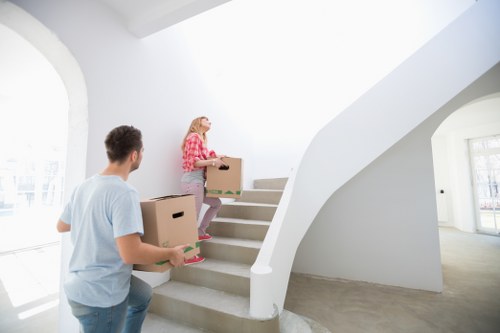
A structured moving process helps keep business disruption under control. While every move is different, most commercial relocations in Greenwich follow a similar sequence. This starts with an initial discussion about the size of the move, the type of premises, the access arrangements, and the date or time frame you need to work within.
Next comes planning. This stage may involve a site review, inventory discussion, packing requirements, and a look at any special items that need extra care. For larger offices or more complex moves, it can be useful to create a floor plan for the destination so furniture and equipment can be placed efficiently. If your business needs a phased move, the plan can be broken into manageable sections to keep operations running for as long as possible.
On moving day, the team will usually begin by protecting key areas, preparing equipment, and loading items in an organised sequence. Packing may be completed in advance, or some items may be boxed and wrapped on site depending on your needs. Once everything is loaded, transport is arranged to the new premises, where unloading and placement can follow the agreed layout. If requested, furniture may be reassembled and positioned so your team can settle in faster.
For commercial customers, the benefit of a well-managed process is clear: fewer delays, less confusion, and a smoother restart. That matters whether you are running a small office with a tight handover or a larger business with multiple teams to coordinate.
Common planning points before moving day
It helps to confirm the following in advance:
- Access times and loading restrictions at both properties
- Parking or permit requirements where relevant
- Whether lifts, stairs, or narrow corridors are involved
- Which items need specialist packing or protection
- Who will oversee the move on the day
- How sensitive documents and devices should be handled
- Whether the move will happen in one phase or several stages
Preparation Checklist for Greenwich Commercial Moves

Good preparation is one of the best ways to keep a move efficient. Even if your moving team is handling most of the practical work, there are a few steps your business can take to make the day easier. This is especially helpful in Greenwich, where access and timing can influence the whole schedule.
Before the move, try to complete these tasks:
- Back up important digital files and confirm device labels.
- Sort confidential documents and decide what should be moved, stored, or securely disposed of.
- Tell staff what needs to be packed and by when.
- Label boxes by department, desk, or room.
- Disconnect non-essential equipment in advance where safe to do so.
- Clear walkways and make sure loading routes are accessible.
- Check keys, access codes, or building entry arrangements for both sites.
- Set aside items needed on the first day in the new premises, such as essential stationery, chargers, or key files.
For businesses with customer-facing operations, it can also help to prepare a temporary communications plan. That might involve letting clients know about reduced opening hours, confirming service dates, or making sure phone systems and email access are ready to switch over. A commercial move should not only relocate your contents; it should also support a smooth transition for your staff and customers.
What Affects the Cost of a Commercial Move?
Every business wants clear, sensible pricing, and it is normal to ask what influences the cost of a commercial relocation. Exact figures depend on the details of the job, but understanding the main pricing factors can help you plan and compare quotations with confidence. A reputable provider will usually base the quote on the real work required rather than giving a one-size-fits-all estimate.
Factors commonly considered include the size of the premises, the volume of items to move, the distance between sites, access conditions, and the level of packing support needed. The presence of stairs, lifts, restricted parking, or difficult loading access can also affect the schedule. If your move involves specialist equipment, fragile stock, or a need for out-of-hours work, those details may also influence the final cost.
Another important factor is the amount of preparation completed before moving day. A well-labelled, organised office move is usually easier to execute than a last-minute relocation with mixed packing, unclear item ownership, and limited site access. That is why many businesses find it useful to request a quote after sharing as much detail as possible upfront. It allows the moving team to recommend the right level of support and helps you avoid surprises later.
If you are comparing providers for commercial moves in Greenwich, look for clear communication about what is included and what may be added depending on your needs. That transparency is a major part of trust.
Why Choose a Local Company for Business Removals in Greenwich?
There are several reasons local customers prefer a Greenwich-based or Greenwich-familiar team for their business relocation. First, local knowledge helps with timing and access. Knowing how busy certain roads can get, where parking can be tight, and which types of buildings are likely to require extra planning can save valuable time on the day.
Second, a local mover is often better placed to work around your schedule. If your business needs an early start, a weekend move, or a phased relocation across multiple visits, a nearby team can often coordinate that more easily. This flexibility is particularly useful for small businesses and offices that cannot afford a long shutdown.
Third, local service tends to feel more personal and practical. Instead of treating your move like a generic collection job, the right team will ask about the layout, your essential items, and the best sequence for getting you back to work. That kind of attention is important for commercial customers, who often have less room for error than domestic movers.
Choosing a local company also supports smoother communication. If plans change, access needs to be adjusted, or you need to add a second part to the move, it is easier to deal with a team that already understands the area and the kind of properties involved.
Benefits that matter to business customers
- Reduced downtime and better scheduling flexibility
- More practical understanding of local access conditions
- Careful handling of office furniture, equipment, and stock
- Support for small moves and larger multi-room relocations
- Clear planning that helps staff return to work sooner
Handling Different Property Types in Greenwich
Greenwich includes a mix of building types, and each one creates a different moving experience. A business in a newer commercial development may have lift access and structured loading rules. A practice in a converted building may have narrow corridors and stairs. A high-street shop may need a fast turnaround to minimise time without stock on display. A shared workspace may require moves to be timed carefully so other occupants are not disturbed.
That is why the best commercial moving service is one that adapts to the building, not the other way around. Protective coverings can help preserve floors and walls. Clear labelling can make unloading faster. Reassembly support can help your team settle in. And when the destination is not straightforward, a local mover will usually have a better sense of how to get the job done cleanly and efficiently.
For businesses with multiple sites, a Greenwich move may also be part of a wider relocation across nearby areas such as Charlton, Deptford, Woolwich, Blackheath, or along the river corridor. In those cases, coordination becomes even more important, because each property may have different access rules and move-in requirements. A consistent process helps avoid confusion across locations.
What Makes a Move Smoother on the Day?
A smooth commercial move depends on planning, but also on good communication on the day itself. The people overseeing the move should know which rooms are priority areas, which items must be loaded first, and where essential equipment should be placed when it arrives. The more clearly that information is shared, the less chance there is of delays or rework.
Practical steps that help on moving day include:
- Having one main point of contact at each site
- Keeping access routes clear for the moving team
- Separating items that need special handling
- Identifying which furniture should be reassembled first
- Ensuring the new site is ready for unloading
- Confirming any lift bookings, keys, or security procedures in advance
It also helps if staff know what to expect. A short briefing before the move can reduce confusion and prevent accidental packing of items that still need to stay in use. For customer-facing businesses, this can make the difference between a hectic day and a controlled transition.
Frequently Asked Questions
How far in advance should I arrange a commercial move in Greenwich?
It is best to arrange as early as possible, especially if you need a specific date, out-of-hours work, or a larger move with multiple departments. Early booking also gives time for planning, packing, and access checks.
Can you help with office furniture dismantling and reassembly?
Yes, many commercial moves include dismantling and reassembly of desks, tables, storage units, and other office furniture. This is especially useful when items need to pass through tight access points or be positioned in a new layout.
Do commercial moves in Greenwich need special parking arrangements?
Often, yes. Greenwich can involve controlled parking, limited waiting space, or busy streets where loading must be planned carefully. It is important to check access and parking requirements at both the old and new premises before moving day.
Can fragile or confidential items be moved safely?
Yes. Sensitive documents, electronics, and fragile equipment can be packed and handled carefully, with labelling and protective wrapping where needed. If confidentiality is a concern, it is wise to discuss your requirements before the move begins.
What if my business cannot shut down for a full day?
Phased or out-of-hours moves may be suitable. Many businesses choose to relocate in stages so essential services can continue. This is especially useful for offices, clinics, and customer-facing premises.
Do you only cover Greenwich itself?
No. Many commercial customers in Greenwich also move between nearby areas such as Blackheath, Charlton, Deptford, Woolwich, and Lewisham, depending on their business needs.
Areas Covered for Commercial Relocations
Commercial moves are often needed not just in central Greenwich but throughout the surrounding area. Businesses commonly require help with relocations between nearby districts, multi-site changes, and moves into or out of local commercial premises. Coverage can include:
- Greenwich town centre and surrounding business areas
- Blackheath
- Charlton
- Deptford
- Woolwich
- Lewisham
- Nearby southeast London locations
If your business move involves more than one location or a complex schedule, a local company can help coordinate the details so everything stays aligned. This is particularly helpful when you need continuity across departments or want to minimise time away from clients, customers, or staff.
Book Your Commercial Move with Confidence
Moving a business is a big job, but it does not have to be overwhelming. With the right planning, the right equipment, and a team that understands the local area, commercial moves in Greenwich can be managed in a calm, efficient way that keeps disruption low and progress steady. Whether you are relocating a compact office, a busy retail space, or a larger workplace with multiple rooms and specialist items, the aim is always the same: protect your assets, keep your schedule under control, and help you reopen or resume work as smoothly as possible.
If you are preparing for a relocation and want a practical, local solution, request a free quote and talk through your requirements before the moving date gets any closer. The more detail you can share about your premises, your access, and the type of contents involved, the easier it becomes to plan a move that works for your business.
Contact us today to discuss your Greenwich office move, business relocation, or commercial removals project, and take the next step toward a smoother transition.
Helpful final reminder
Every commercial move is different. A good moving plan should reflect your building, your timetable, and the items that matter most to your operation. That is especially true in a busy and varied area like Greenwich, where access and scheduling can have a real impact on how the day unfolds.
Ready to get started?
Book your service now or request an assessment for your next commercial move in Greenwich so you can plan with clarity and confidence.